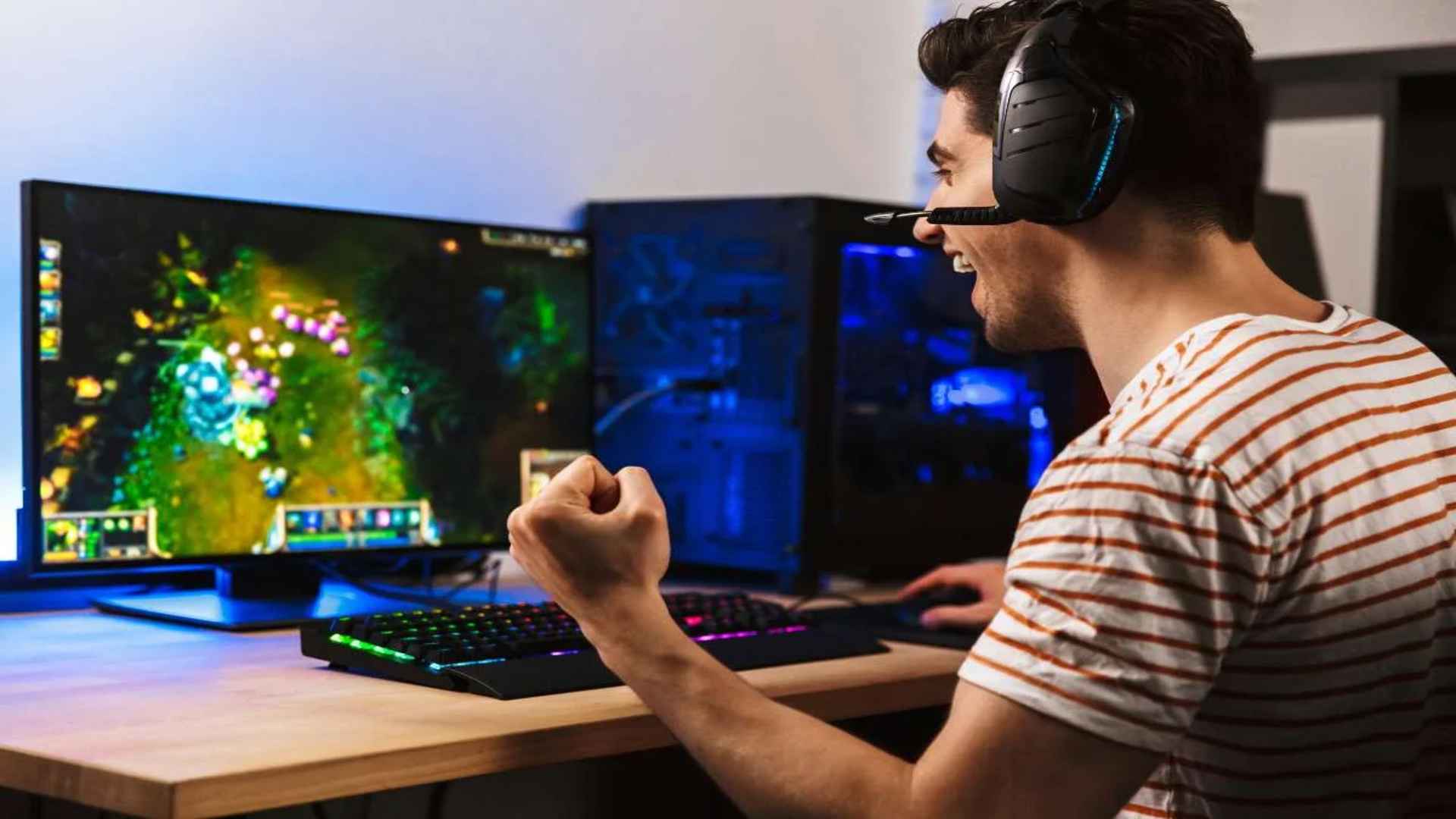
Reviewing match replays is one of the most effective methods for players looking to elevate their tactical execution in competitive gaming. While in-game reactions feel fast, post-match analysis reveals the underlying strategic mistakes that often go unnoticed during live action. By systematically reviewing spatial movement and ability triggers, competitors can transform raw gameplay data into actionable improvements.
Setting Up an Effective Replay Review Process
To gain maximum value from match reviews, focus on specific high-impact moments rather than watching the entire match passively. Pay special attention to team skirmishes, objective captures, and sudden momentum shifts where errors usually occur. Maintaining a dedicated review routine helps isolate repeated behavioral patterns over long play sessions.
Using a slow-motion feature or pausing during complex engagements allows you to evaluate spatial setups accurately. Observing both friendly and enemy perspectives provides crucial context regarding sightlines and hidden threats. This broader perspective helps clarify why certain decisions succeeded or failed under pressure.
Identifying Structural Positioning Mistakes
Positioning mistakes frequently stem from overextending beyond effective support range or failing to utilize natural cover properly. When reviewing a play, check whether your Brawler was isolated from teammates or caught in an unavoidable enemy crossfire. Identifying poor map spacing helps prevent unnecessary eliminations during critical lane control phases.
Another common spatial error involves overcommitting to aggressive pushes when holding an objective lead. Rewinding to the moment before a elimination often exposes overconfidence or bad rotation pathing. Learning to spot these structural flaws builds greater discipline for future matches.
Evaluating Gadget Timing and Resource Waste
Gadgets provide game-changing utility, but using them prematurely can leave your character vulnerable during decisive engagements. Watch your replay specifically to track gadget activation windows and evaluate their overall impact on the fight. Prematurely blowing a defensive mobility tool often leads to immediate punishment by aggressive opponents.
Miscalculating enemy ability cooldowns is a leading cause of wasted utility. If a gadget failed to secure a key objective or survival, examine whether saving it for a later engagement window would have yielded a better result. Refining ability timing maximizes resource efficiency across every match round.
Translating Replay Insights into In-Game Habits
After pinpointing tactical mistakes, select one or two core focus areas to work on during your next live matches. Attempting to fix every error simultaneously can cause mental overload and degrade overall performance. Incremental adjustments lead to permanent mechanical and spatial discipline over time.
Consistently recording and reviewing your games builds long-term spatial awareness and sharper decision-making skills. Over time, you will recognize dangerous situations before they unfold live, allowing for proactive adjustments rather than reactive panics. Dedicated analysis ultimately bridges the gap between casual play and high-tier competitive mastery.